When people think of Bodrum, turquoise coves, whitewashed houses and streets draped in bougainvillea usually come to mind first. Yet this peninsula was once home to Halicarnassus, one of the most important cities of ancient Caria, and for centuries it housed one of the Seven Wonders of the World. Because sea and history are so closely intertwined here, the list of places to visit in Bodrum stretches far beyond its beaches. In this Bodrum, Muğla travel guide, we have brought together the ancient and historical sites you should not miss on the peninsula.
Ancient and Historical Sites You Must See in Bodrum
The historical sites among the places to visit in Bodrum are quite close to one another. You can tour the castle, the mausoleum, the ancient theatre and the Myndos Gate in a single day, and plan Pedasa as a half-day route combining nature and history.
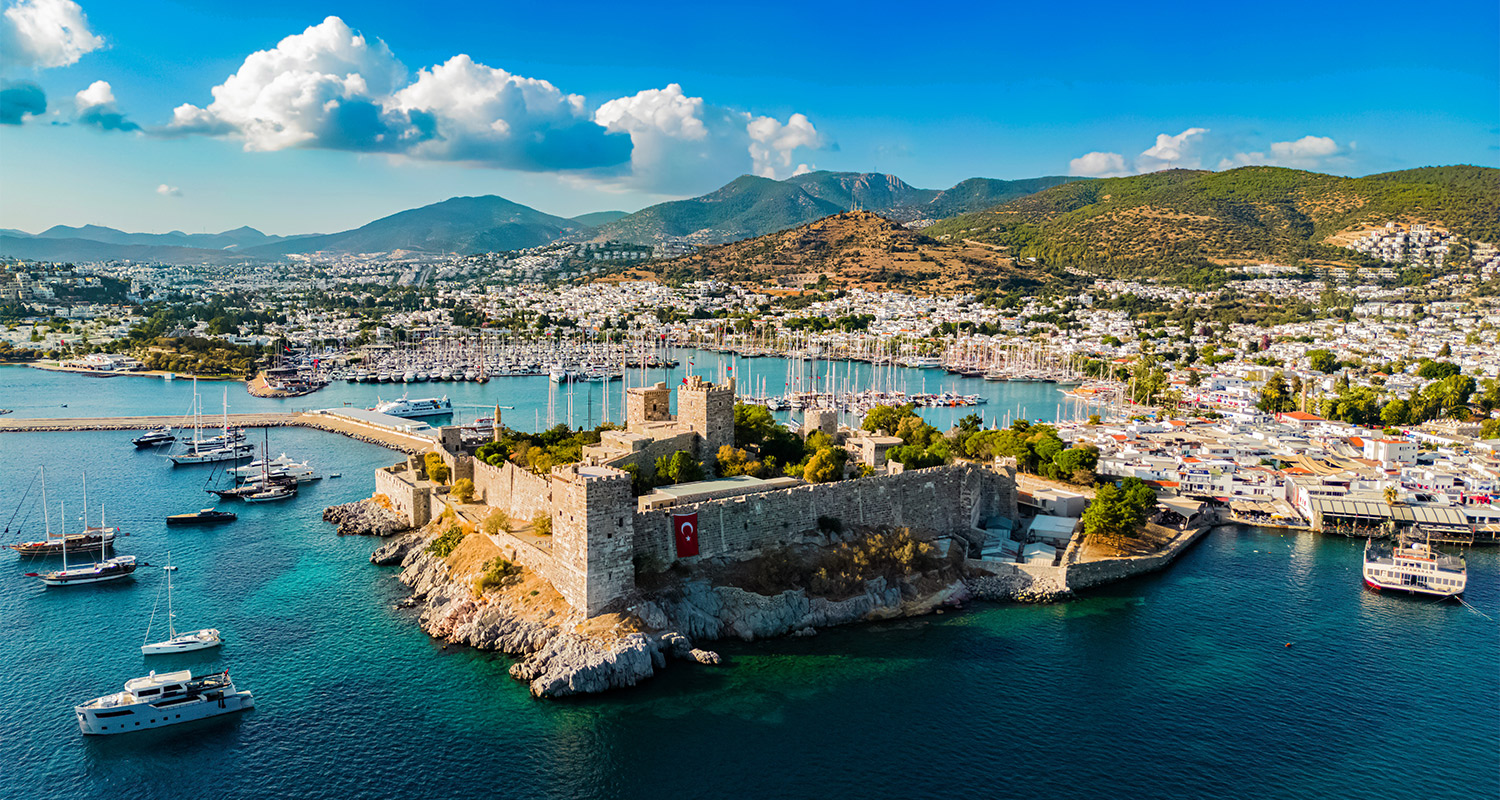
History Above the Sea: Bodrum Castle
The symbol of Bodrum, the castle rises on a rocky promontory that separates two bays. Construction began in the early 15th century by the Knights of St. John from Rhodes, which is why it is also known as the Castle of St. Peter. The knights also used stones from the ruined Mausoleum of Halicarnassus in its construction, and you can still spot traces of these stones in the castle walls today.
Inside the castle is the Bodrum Museum of Underwater Archaeology. Shipwrecks, amphorae and finds recovered from the depths of the Aegean and the Mediterranean tell the story of the region’s maritime trade over thousands of years. Among the museum’s most popular exhibits is the Uluburun Shipwreck, dating to the Late Bronze Age. The view from the castle towers over the marina and the Bay of Bodrum is a reward in itself.
One of the Wonders of the Ancient World: The Mausoleum of Halicarnassus
The Mausoleum of Halicarnassus is a monumental tomb built in the 4th century BC for Mausolus, the satrap of Caria. Completed by his wife Artemisia after his death, it was the work of renowned architects and sculptors of the time and was counted among the Seven Wonders of the Ancient World. The word “mausoleum”, used in many languages today for a monumental tomb, takes its name from Mausolus.
Over the centuries the structure was destroyed by earthquakes, and some of its stones were used to build Bodrum Castle. Today, at the open-air museum in the town centre, you can see the mausoleum’s foundations, column fragments and a scale model. A large part of its reliefs is displayed at the British Museum in London.
In the Footsteps of Ancient Drama: Bodrum Ancient Theatre
Built on the slope of Göktepe, the Bodrum Ancient Theatre dates from the 4th century BC, in the time of Mausolus, and was enlarged in the Roman period. Estimated to have held more than ten thousand spectators in Roman times, the theatre shows just how large and lively a city Halicarnassus was.
From the upper rows, the castle, the marina and the bay fit into a single frame, which makes it especially worth visiting at sunset. The theatre still hosts concerts and performances in the summer months.
From Antiquity to the Present: The Myndos Gate
The Myndos Gate is the western entrance of the city walls that surrounded Halicarnassus in the time of Mausolus. It takes its name from the road to the ancient city of Myndos, today’s Gümüşlük, which began here. When Alexander the Great besieged Halicarnassus in 334 BC, this gate was one of the scenes of the fiercest fighting.
The restored towers, the remains of the walls and the defensive moat in front of them let you see up close how the ancient city was protected. As it is within walking distance of the town centre, you can easily combine it with a visit to the theatre and the mausoleum.
A Peninsula Steeped in History: The Ancient City of Pedasa
Located on a pine-covered hill near Konacık, Pedasa is one of the oldest settlements on the Bodrum Peninsula. The city belonged to the Leleges, who lived in the region before the Carians. Herodotus recounts an intriguing legend about the priestess of Athena at Pedasa: it was believed that she grew a beard whenever disaster was approaching the city.
The acropolis, the remains of the Temple of Athena and the Lelegian walls make Pedasa an enjoyable stop for history lovers. The paths leading to the city are part of the Lelegian Way, a hiking route that crosses the peninsula from end to end. Spring and autumn are the best seasons for those who want to combine a nature walk with history.
While exploring Bodrum’s historical routes, it is easy to devote the rest of the day to the sea. Gümüşlük, Bitez, Yalıkavak and Türkbükü stand out among the coves to visit in Bodrum, Muğla; in Gümüşlük, you can find the remains of ancient Myndos and crystal-clear water in the same place. If you are travelling to the peninsula by road, you can also make time for the sights between Muğla and Bodrum: the ancient city of Stratonikeia near Yatağan and the Gümüşkesen monumental tomb in Milas are stops you can visit with short breaks along the way.
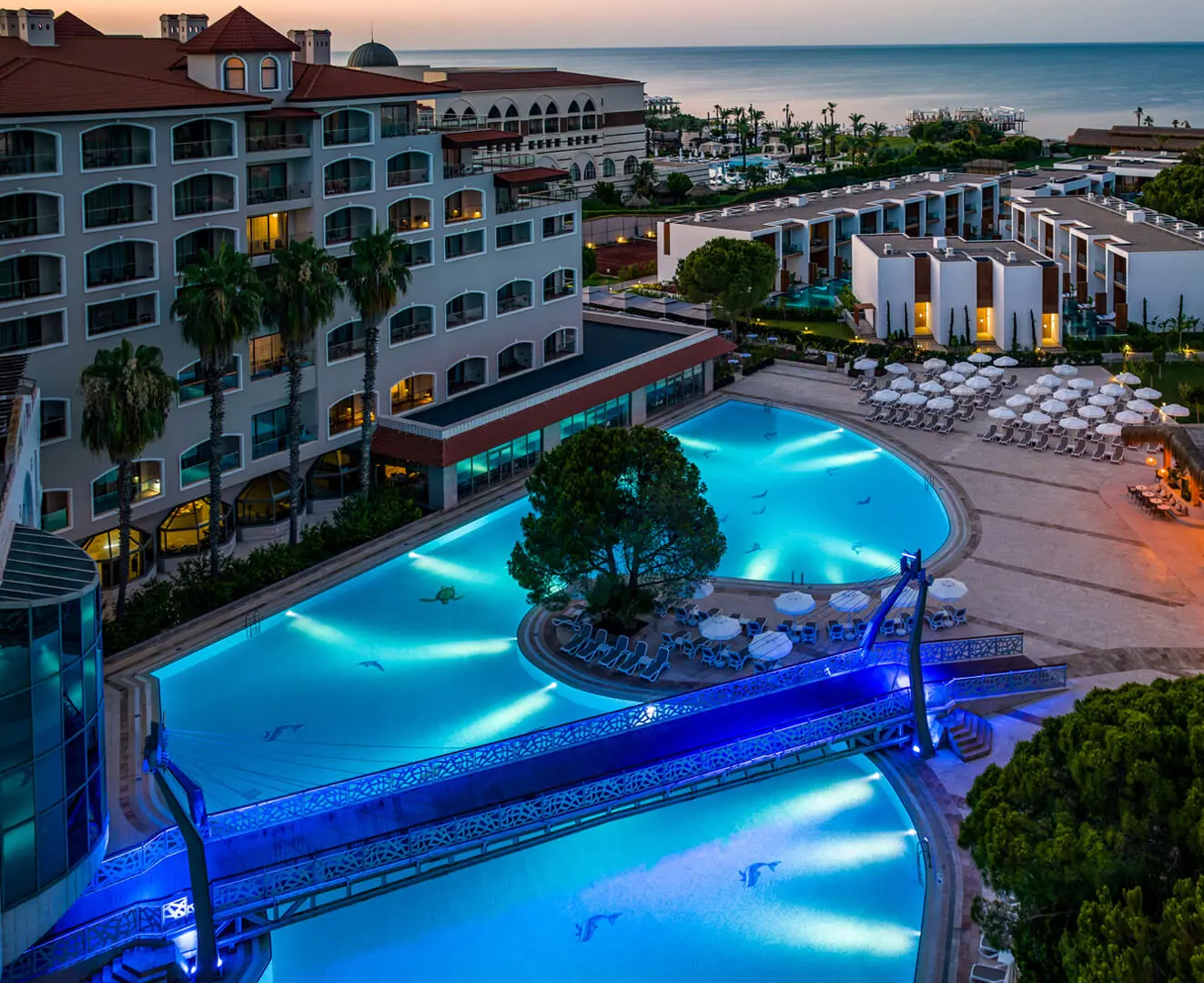
After a day of exploring, the place where you rest directly shapes how much you enjoy your holiday. Among the Bodrum hotel options, Sirene Luxury Hotel Bodrum offers an exclusive stay with its own private cove, infinity pool and villas with private pools, for those who want to complete their history route with a peaceful seaside holiday. You can tour the castle and the mausoleum in the morning, spend the afternoon in the cove and enjoy the evening with a sunset view.
In short, Bodrum is not just a summer holiday destination; it is a gateway to thousands of years of Carian and Halicarnassian history. By planning the routes in this guide well, you can discover both the peninsula’s history and its most beautiful coves in just a few days.